
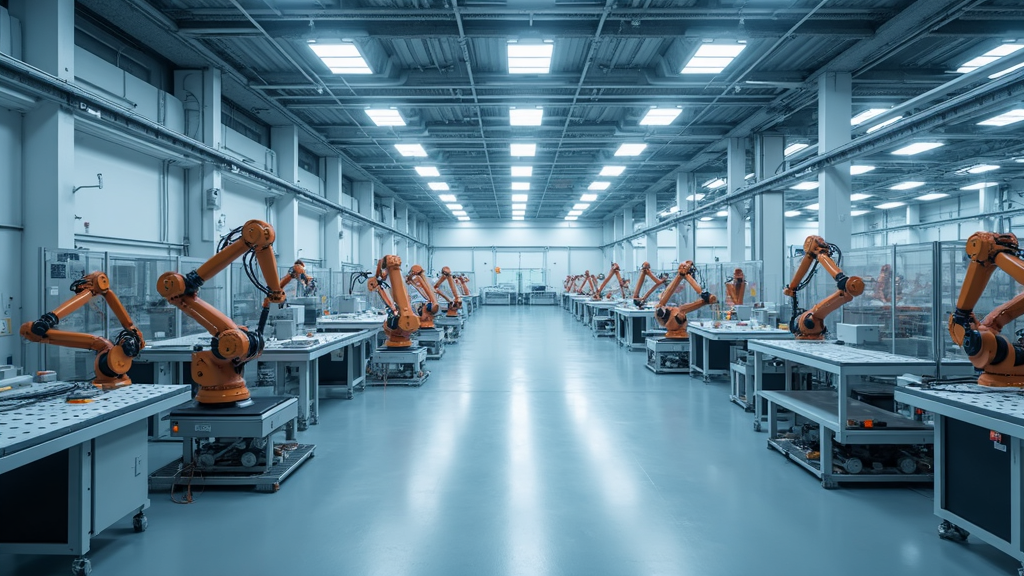
AI automation is rewriting the rules for the manufacturing world. Factories that were once noisy, labor intensive spaces are now running smoothly with robots and intelligent systems working alongside people. From smarter production lines to higher product quality, the changes AI brings to manufacturing are making a real difference for all kinds of industries.
Why AI Automation Matters in Manufacturing
Manufacturing has always focused on cranking out products as efficiently as possible, but things are getting taken up a notch with artificial intelligence. Smart automation tools use machine learning, computer vision, and advanced analytics to make plants more productive and predictable. These upgrades are helping companies handle market changes, pump up efficiency, and even come up with creative solutions to old challenges.
One thing that stands out is how AI doesn’t just replace jobs with robots. More often, it lets people focus on less repetitive, more interesting work. Workers can now manage quality, fix problems, and make improvements with AI showing them trends and suggestions they’d never pick up on their own. This makes the workplace safer and more rewarding overall.
AI’s Main Applications in Modern Manufacturing
AI automation shows up in a bunch of areas on factory floors today. These aren’t just visions of the future—they’re real, happening in factories around the world right now. The most impressive uses include:
- Predictive Maintenance: AI keeps an eye on machines with all sorts of sensors and predicts when something’s about to break. Instead of waiting for equipment to fail, you can fix things ahead. This cuts down on downtime and saves money.
- Quality Control: Machine vision and deep learning algorithms give all parts a once over, instantly spotting defects the human eye wouldn’t catch. Products are more consistent, and customers are happier with fewer returns.
- Robotics and Automation: Collaborative robots or cobots work right next to people. They tackle tough, repetitive tasks like bolting parts or moving heavy stuff, while people manage and upgrade the process.
- Supply Chain Optimization: Smart software can guess supply and demand much better, cutting down on wasted materials and empty shelves. AI looks at market trends, weather, and economic data for sharp forecasting.
- Energy Management: AI can track and improve energy use, saving money and making factories more ecofriendly.
How Is Artificial Intelligence Revolutionizing Industries?
AI isn’t just changing manufacturing. It’s making waves everywhere. In healthcare, AI is helping doctors diagnose diseases faster and more accurately. In transportation, smart sensors and automation tools are making logistic routes more efficient and speeding up deliveries. Retailers use AI to track buying patterns, making it easier to suggest just the right thing to shoppers. Even agriculture is seeing smart AI-driven tractors and cropping systems that boost yields and save water.
Each time a new industry taps into AI, they approach things a little differently, but one thing stays the same. AI can analyze massive amounts of data and act on it in real time. This leads to smarter decisions and greater efficiency—something that simply wasn’t possible before.
Getting Started with AI Automation in the Factory
Jumping into AI automation might sound intimidating, but it’s totally within reach for plenty of manufacturers if they move step by step. Here’s how most factories kick things off:
- Start Small: Many factories begin by testing AI in one spot, like automating a single assembly line or putting sensors on just a few machines for predictive maintenance.
- Train Your Team: Making sure your folks know how to work with smart machines is key. Upskilling workshops, hands-on demos, and short courses can make all the difference.
- Connect Systems: Data keeps AI humming. Machines need to talk to each other and to the new AI software. Sometimes, this means upgrading to more modern, connected devices.
- Check Results and Adjust: Once an AI project launches, manufacturers usually see quality, speed, or costs improve. Keep track of the data and make tweaks as needed. Don’t hesitate to fine-tune over time.
Following these steps can make switching to AI much less stressful. Even a basic AI system can make day to day factory work smoother very quickly.
Common Challenges in Adopting AI Automation
Like any big upgrade, bringing AI into manufacturing brings its own set of challenges. Here are a few I see popping up most often:
- Complexity: AI can get complicated, especially if the plant uses old machinery. Adding new sensors or cloud platforms sometimes needs extra planning and outside experts.
- Cost: The upfront investment in new equipment and software can be significant. Still, most manufacturers find the savings from less waste and higher efficiency add up fast—often in just a year or two.
- Data Security: With so many connected gadgets and loads of shared data, keeping information safe from cyber threats is a top priority. Using strong cybersecurity and updating systems regularly are crucial steps.
- Team Buy-In: Workers sometimes worry about losing jobs. But retraining, open conversations, and a focus on teamwork help folks trust the process and get excited about the new tech.
Keeping Data Secure
Factories are attractive targets for hackers and cyber threats, so protecting AI driven devices and networks is extremely important. Routine audits, up to date security software, and firewalls help shield valuable information. In my experience, working closely with IT professionals or managed service providers is the best way to keep manufacturing data safe and sound.
Workforce Upskilling
Robotics and AI do not spell the end of human workers; they create even better jobs, often with higher wages. By training teams in programming, troubleshooting, and monitoring these automated systems, factories hold on to their valuable people. Tech-savvy workers ensure smoother transitions and jumpstart creative problem-solving across the floor.
Top Benefits of AI Automation in Manufacturing
The benefits of AI in manufacturing are plain to see. Here’s why so many factories are jumping on board:
- Higher Productivity. Automated machines run non-stop. This means plants can work longer hours without a jump in labor costs.
- Better Product Quality. AI-based inspections find defects and fix problems faster, leading to more reliable products.
- Improved Safety. Risky or repetitive jobs go to robots, while people supervise and support the process.
- Faster Adjustments. If demand changes or a new product is needed, AI systems make it easy to adjust operations quickly.
- Cost Savings. By wasting less raw material, reducing downtime, and limiting repairs, AI significantly boosts the bottom line.
Real-Life Examples of AI Automation
AI powered manufacturing is in full swing. I’ve seen car makers use robots for welding, painting, and inspecting vehicles round the clock. Electronics companies test and sort microchips at lightning speed. Smaller food producers use AI to spot warped veggies and package items with almost zero waste. Looking at these examples, it’s clear that both big and small companies are using AI to lower costs, improve quality, and invent new, smarter ways to work.
Frequently Asked Questions
People have plenty of questions about how artificial intelligence is changing manufacturing and other industries. Here are a few that come up all the time:
Question: How is AI revolutionizing manufacturing?
Answer: AI makes manufacturing more efficient by predicting equipment failures, automating repetitive processes, and improving product quality through advanced inspections. This means better productivity, lower costs, and happier workers who can focus on interesting problems.
Question: How is artificial intelligence revolutionizing industries?
Answer: AI is transforming all kinds of industries by automating simple tasks, working with huge datasets, and enabling more accurate predictions. It helps businesses make sharper decisions and create more valuable products and services.
Question: How is artificial intelligence revolutionizing?
Answer: Artificial intelligence changes everything by turning massive amounts of data into clear, practical steps. From shopping to health care, AI makes experiences faster, more personal, and reliable.
Question: How is AI generating a revolution?
Answer: AI is setting off a revolution by inventing new approaches to solving problems, building products, and making decisions. By linking up machines, people, and systems, AI keeps progress moving forward.
What the Future Holds for AI in Manufacturing
AI automation in manufacturing is moving ahead at an exciting pace. In the coming years, expect to see machines that can learn by themselves, “digital twins” that fully simulate every aspect of a factory, and smarter supply chains. Every advance leads to safer, greener, more efficient plants.
For any manufacturer hoping to stay ahead, now is the time to get involved. AI doesn’t just bring operational gains—it also allows team members to focus on creativity and growth. This keeps people and factories strong, innovative, and ready for whatever comes next.